

Customizable high-efficiency pelletizing solutions
BIOMASS PELLET MACHINE
APPLICATIONS OF BIOMASS PELLET MACHINE
Our biomass pellet machines come in various models, designed specifically for different types and characteristics of raw materials. They can be widely applied across various fields, with two main categories of use.

Commercial Production
Used in the professional biomass pellet production industry to create commercial value through efficient pelletizing processes.
Waste Treatment
Used for the resource recovery of waste from various fields, including agriculture, forestry, livestock, and household waste, transforming waste into valuable resources.
BIOMASS PELLET MACHINE TYPES BASED ON MATERIALS CATEGORIES
We have designed corresponding biomass pellet machines based on the characteristics of different materials to achieve more efficient and stable operation. The main categories are as follows.
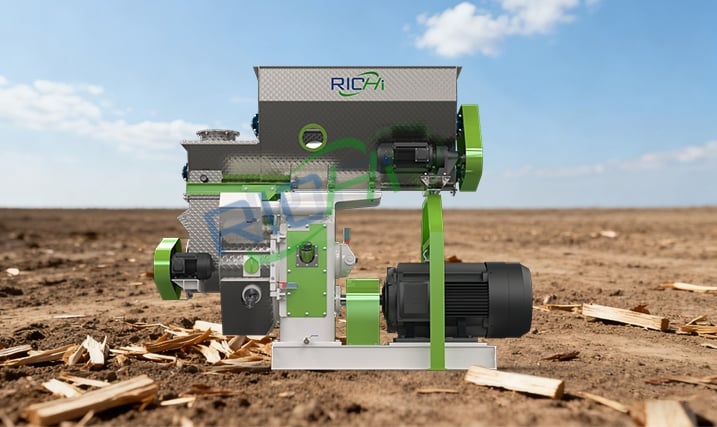

WOOD PELLET MILL
Pelletizing equipment specifically designed for wood-based materials.
- Application : pellet fuel, animal bedding
- Raw Materials : logs, bark, sawdust, branches, etc.
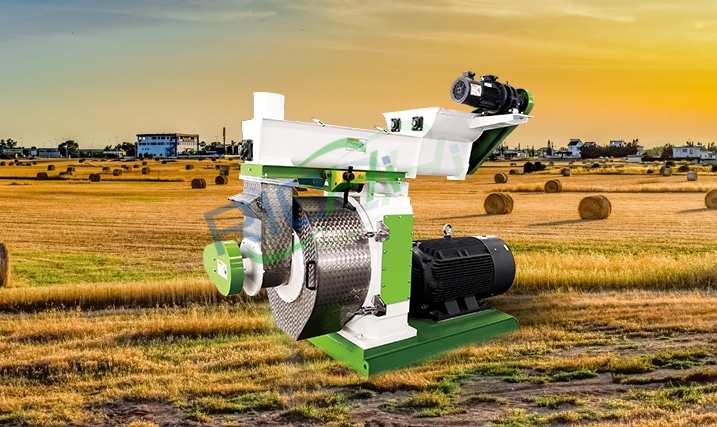
STRAW PELLET MACHINE
Pelletizing equipment specifically designed for various types of straw.
- Application : Pellet fuel, ruminant animal feed, organic fertilizers
- Raw Materials : Corn straw, wheat straw, cotton stalks, etc.
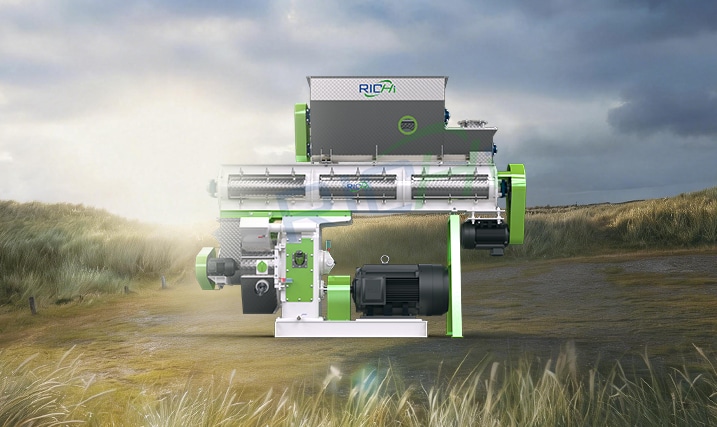
GRASS PELLET MAKING MACHINE
Pelletizing equipment specifically designed for various types of grass materials.
- Application : Ruminant animal feed, organic fertilizers, pellet fuel
- Raw Materials : Alfalfa, ryegrass, garden waste grass, etc.
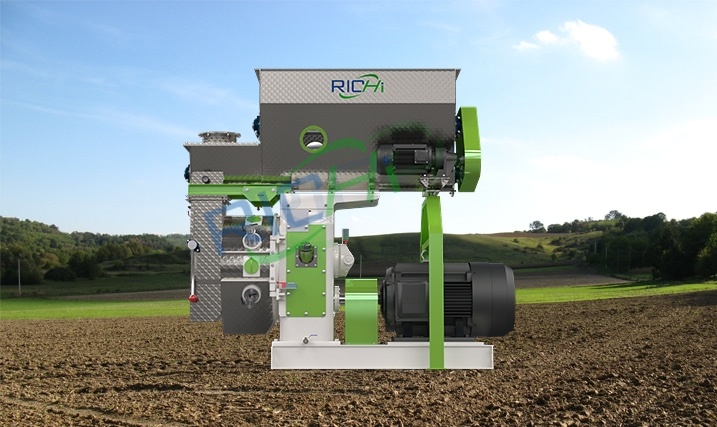
ORGANIC FERTILIZER PELLET MACHINE
Pelletizing equipment specifically designed for various types of livestock and poultry manure.
- Application : Organic fertilizers
- Raw Materials : Cow manure, chicken manure, horse manure, etc.
HUSK PELLET MACHINE
Pelletizing equipment specifically designed for various shell-based materials.
- Application : Pellet fuel, organic fertilizers
- Raw Materials : Palm kernel shells, peanut shells, rice husk, etc.
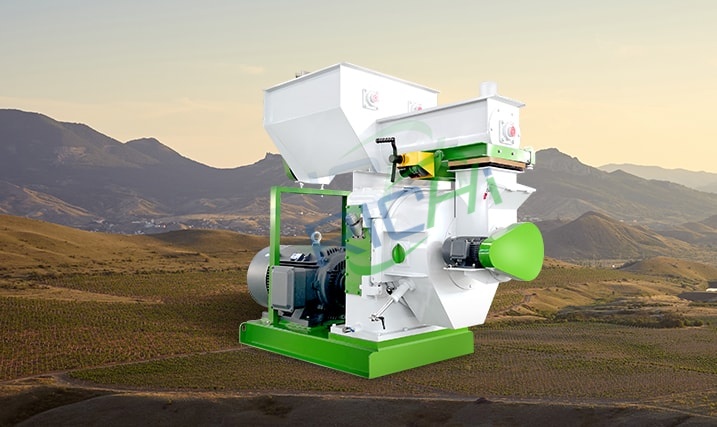
BIOMASS PELLET MACHINE VIDEO SHOWCASE
With over 30 years of experience in pelletizing equipment research, we have prepared several videos to give you a more intuitive understanding of our technology and machines, showcasing our biomass pellet mills.
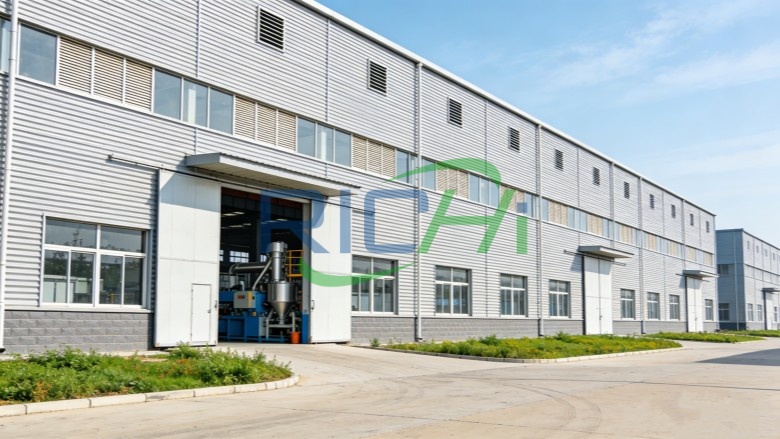
CLICK THE BUTTON

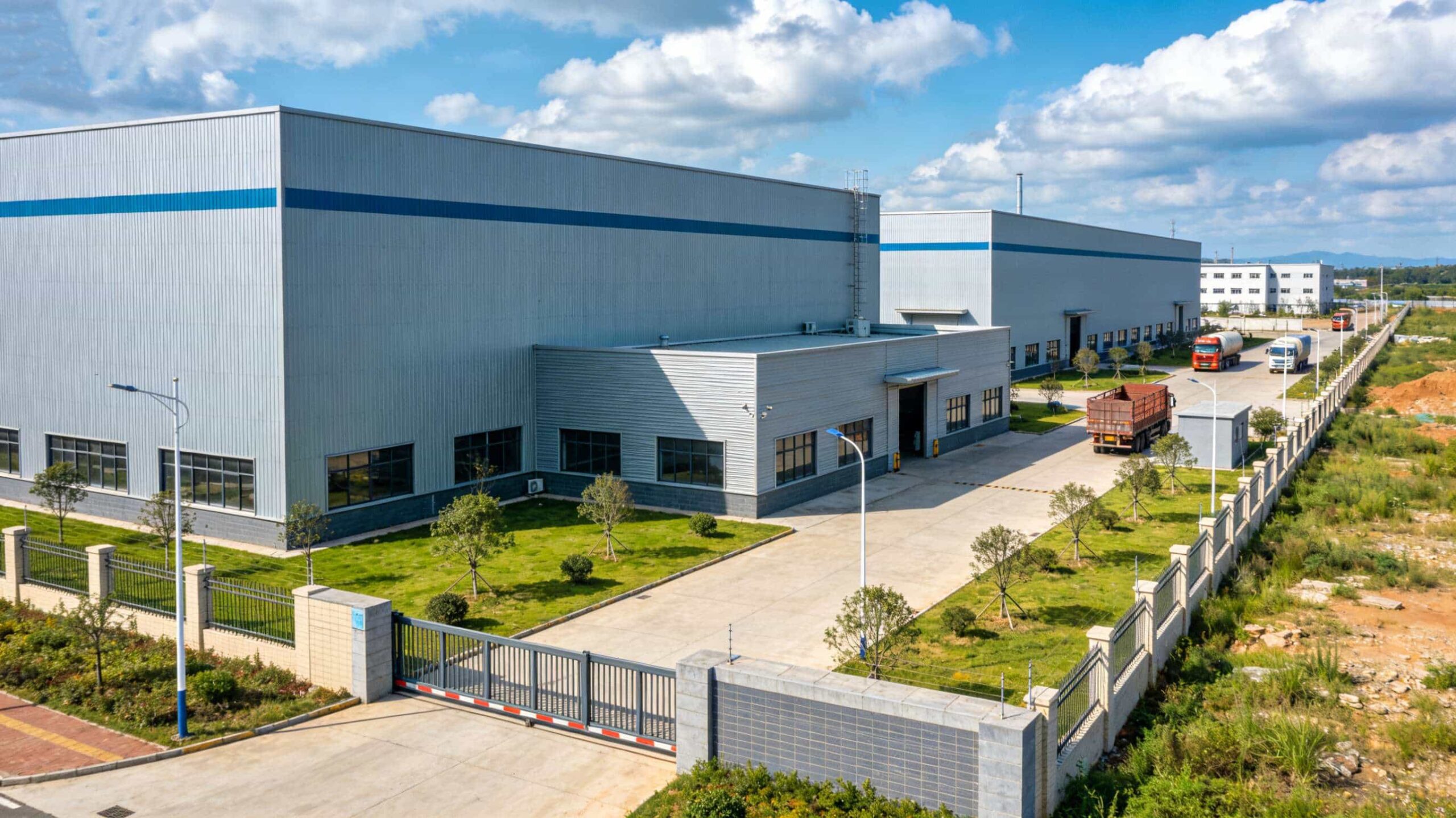
CLICK THE BUTTON
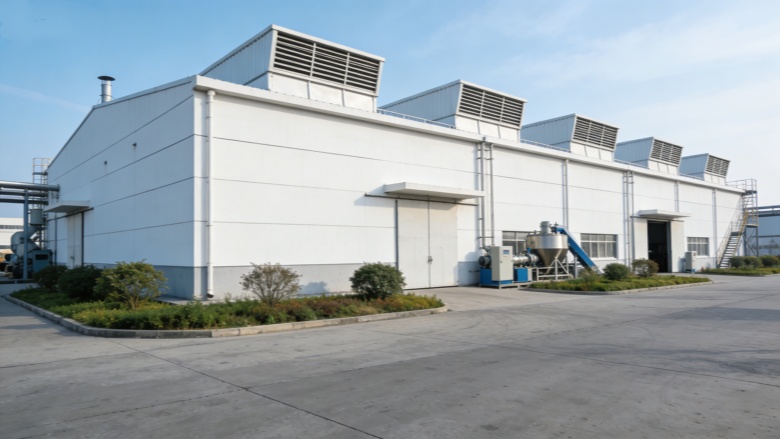
CLICK THE BUTTON
AVAILABLE RAW MATERIALS FOR THE CORRESPONDING PELLET MILLS
Our pellet mills are cleverly designed, offering a wide range of applications. The same machine can adapt to various raw materials, and by combining different production line equipment, it can provide multiple pelletizing solutions for you.
WOOD PELLET MACHINE
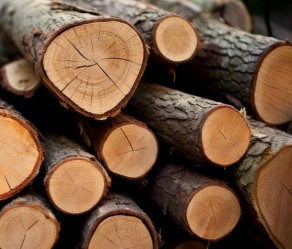
LOGS
We offer specialized solutions for processing logs, which are high-quality raw materials for wood pellets.
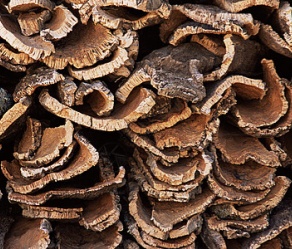
TREE BARK
After crushing and drying, bark can be pelletized. It is cost-effective and suitable for fuel pellet production.
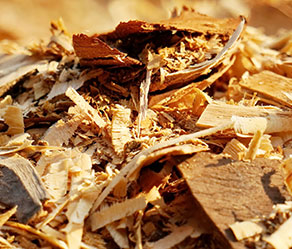
SAWDUST
Fine wood waste that pellets smoothly after pretreatment, commonly used for pellet production.
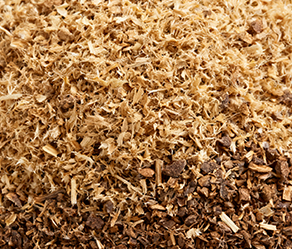
WOOD CHIPS
By-product of wood processing, which pellets well after drying and has high combustion efficiency.
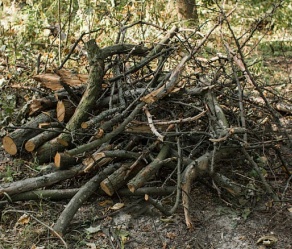
TREE BRANCHES
Garden and forestry waste that can be crushed and pelletized, turning waste into valuable resources.

OLD DOOR PANELS
Recycled waste wood, which can be crushed and turned into fuel pellets after processing.

WOOD BLOCKS
Block-shaped wood, suitable for large-scale pelletizing after crushing and sieving.

WOOD STRIPS
Edge wood materials that pelletize stably after crushing, offering high utilization efficiency.
STRAW PELLET MACHINE
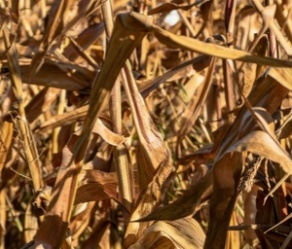
CORN STRAW
High yield and readily available, commonly used for feed and fuel pellets.
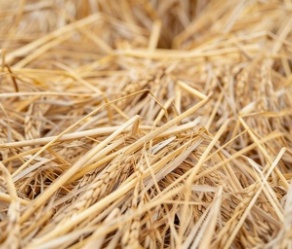
WHEAT STRAW
Dry and firm, pellets well, commonly used for fuel and feed.
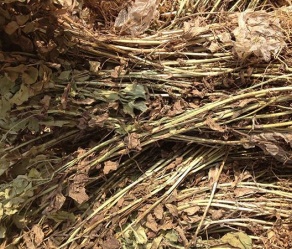
PEANUT VINES
Moderate fiber content, good pelletizing performance, suitable for feed pellets.
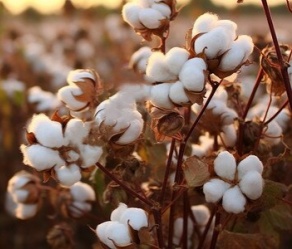
COTTON STALKS
Highly lignified, suitable for making fuel pellets after crushing.
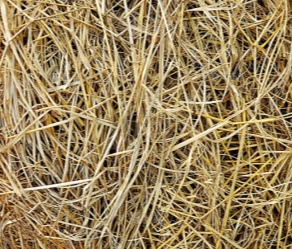
RICE STRAW
Widely available and cost-effective, suitable for fuel and feed pellets.
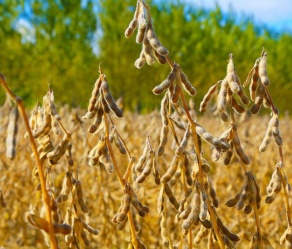
SOYBEAN STRAW
High protein content, mainly used for feed pellet production.
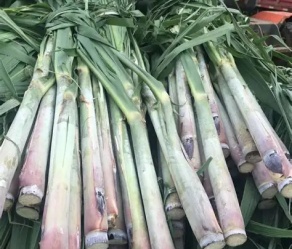
SUGARCANE TOPS
High sugar content and good palatability, suitable for feed pellets.
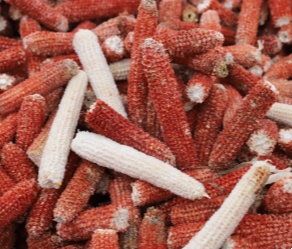
CORN COBS
Loose and porous, easy to pellet, suitable for both fuel and feed.
GRASS PELLET MAKING MACHINE

ALFALFA
High-protein, premium grass, the top choice for high-end herbivorous animal feed pellets.
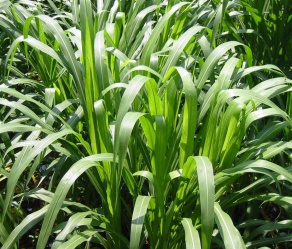
RYEGRASS
High-quality forage, pellets tightly after drying, with excellent nutrient retention.
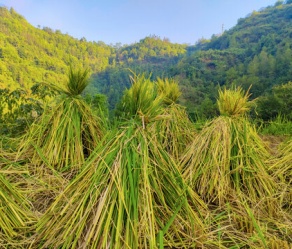
RICE STRAW
Large in quantity and cost-effective, can be pelletized into feed or fuel pellets after drying.
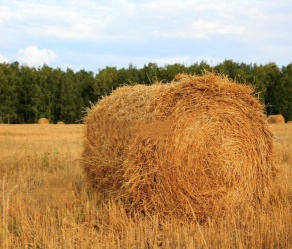
HAY
Natural grass dried for making various types of feed pellets.

Miscanthus
High-yield energy grass, high in fiber, suitable for fuel pellets.
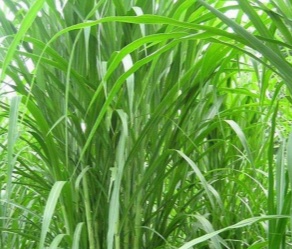
Pennisetum hydridum
High-yield, high-quality forage, dense pelletizing and good palatability.
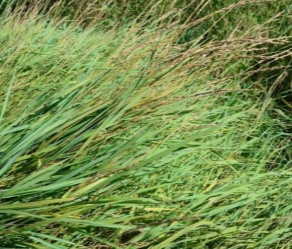
Leymus chinensis
Premium pasture grass, stable pelletizing, suitable for cattle and sheep feed.
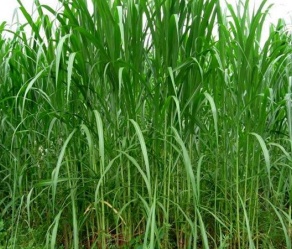
Pennisetum purpureum
High-yield large grass, good pelletizing performance after drying, mainly used for feed.
ORGANIC FERTILIZER PELLET MACHINE
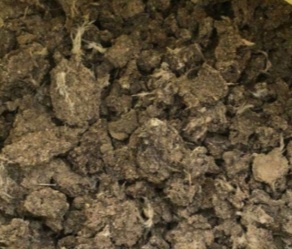
CHICKEN MANURE
High in nitrogen, phosphorus, and potassium, a mainstream raw material for high-efficiency organic fertilizer pellets.
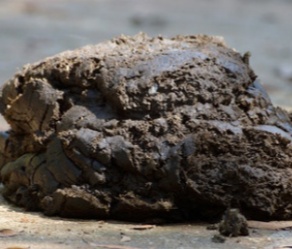
COW DUNG
Rich in organic matter and mild in nature, suitable for organic fertilizer production.
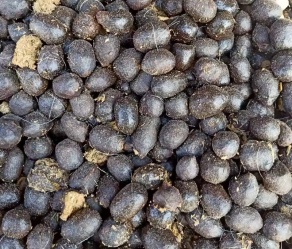
SHEEP MANURE
Clean and stable fertilizing effect, suitable for high-quality organic fertilizer production.
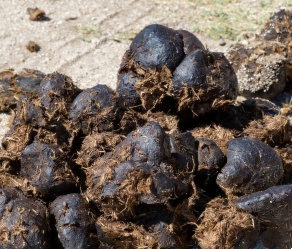
HORSE MANURE
Loose texture and quick decomposition, suitable for organic fertilizer pelletizing.

PIG MANURE
Widely available and nutrient-rich, a commonly used raw material for organic fertilizer.

DUCK MANURE
Strong fertilizing power, suitable for high-efficiency organic fertilizer production.
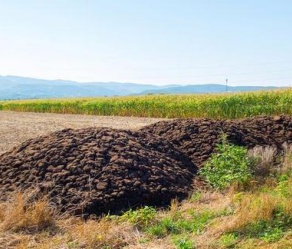
GOOSE MANURE
High nutrient content, suitable for organic fertilizer pellets after fermentation.
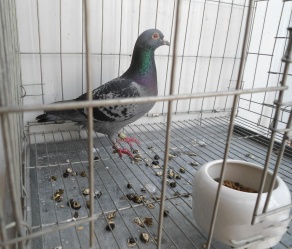
PIGEON MANURE
High nutrient density, efficient in small quantities, suitable for organic fertilizer production.
HUSK PELLET MACHINE
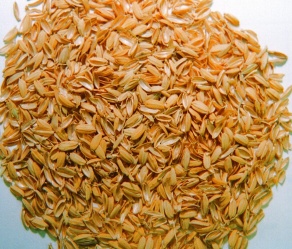
RICE HUSKS
Large quantities, easy to dry and pelletize, a classic raw material for fuel pellets.
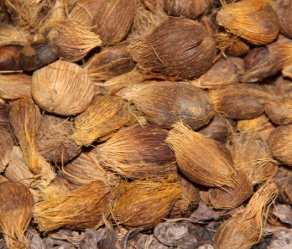
PALM KERNEL SHELLS
High calorific value, moderate hardness, suitable for high-quality fuel pellets.
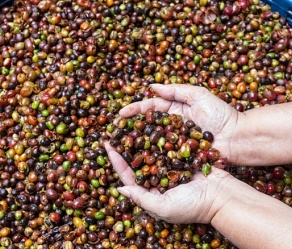
COFFEE HUSK
By-product of coffee processing, can be dried and used to make fuel pellets.
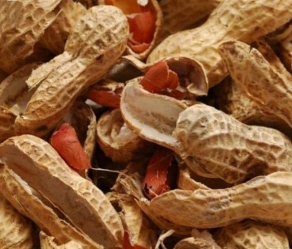
PEANUT SHELLS
Good fiber content and high calorific value, forms pellets well.
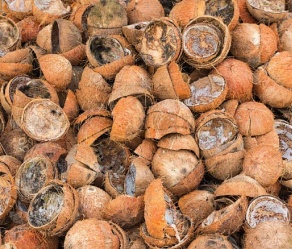
COCONUT SHELLS
High density and calorific value, suitable for high-end fuel and charcoal pellets.
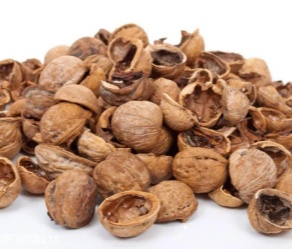
WALNUT SHELLS
Hard texture and high calorific value, suitable for making high-quality fuel.
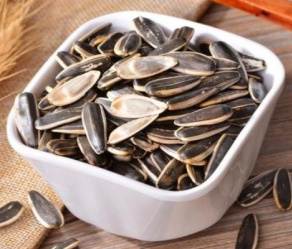
SUNFLOWER SEED SHELLS
Dry and easy to pelletize, commonly used for fuel production.

COTTONSEED HULLS
Stable supply, suitable for both feed and fuel pellets.
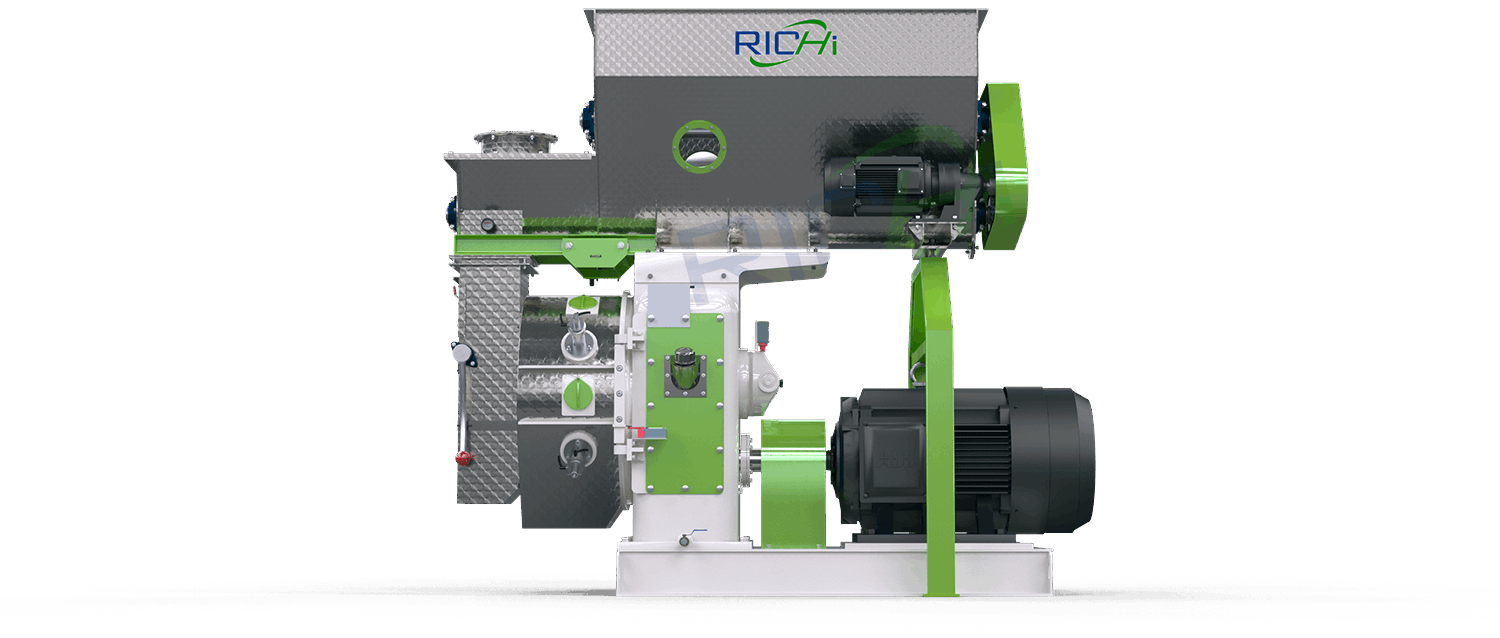
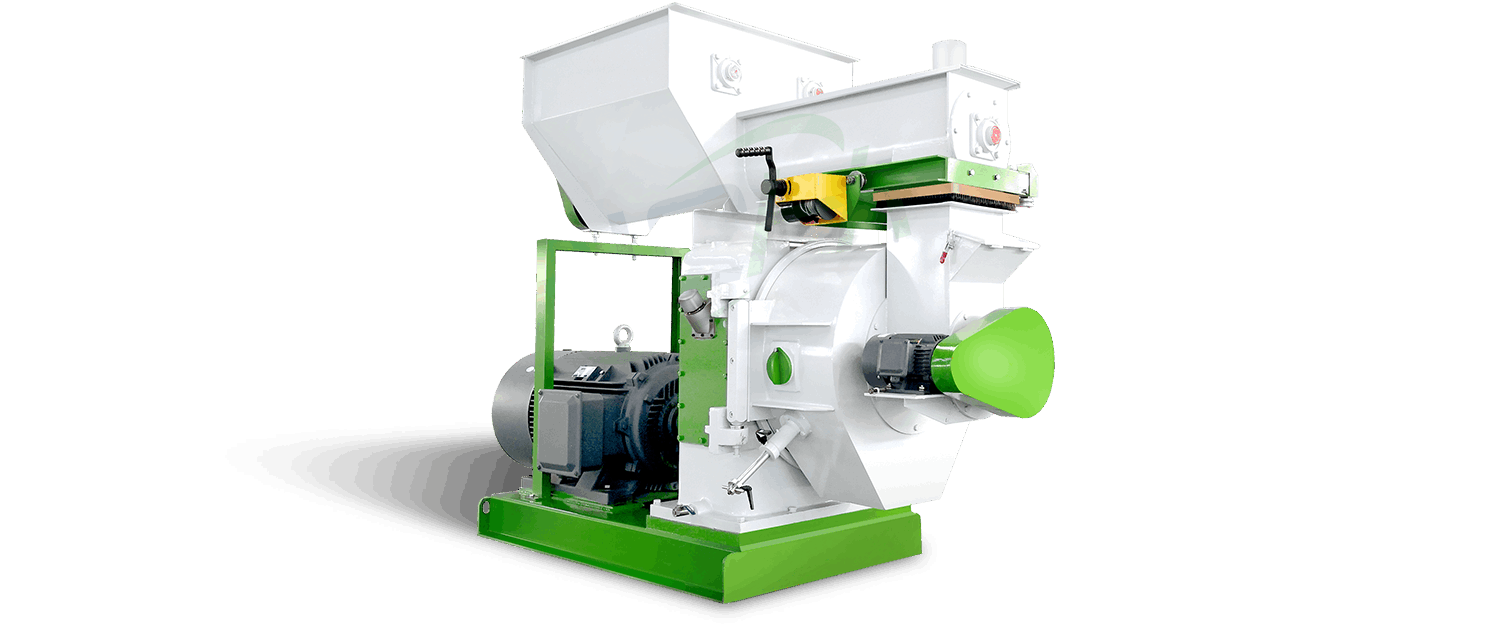
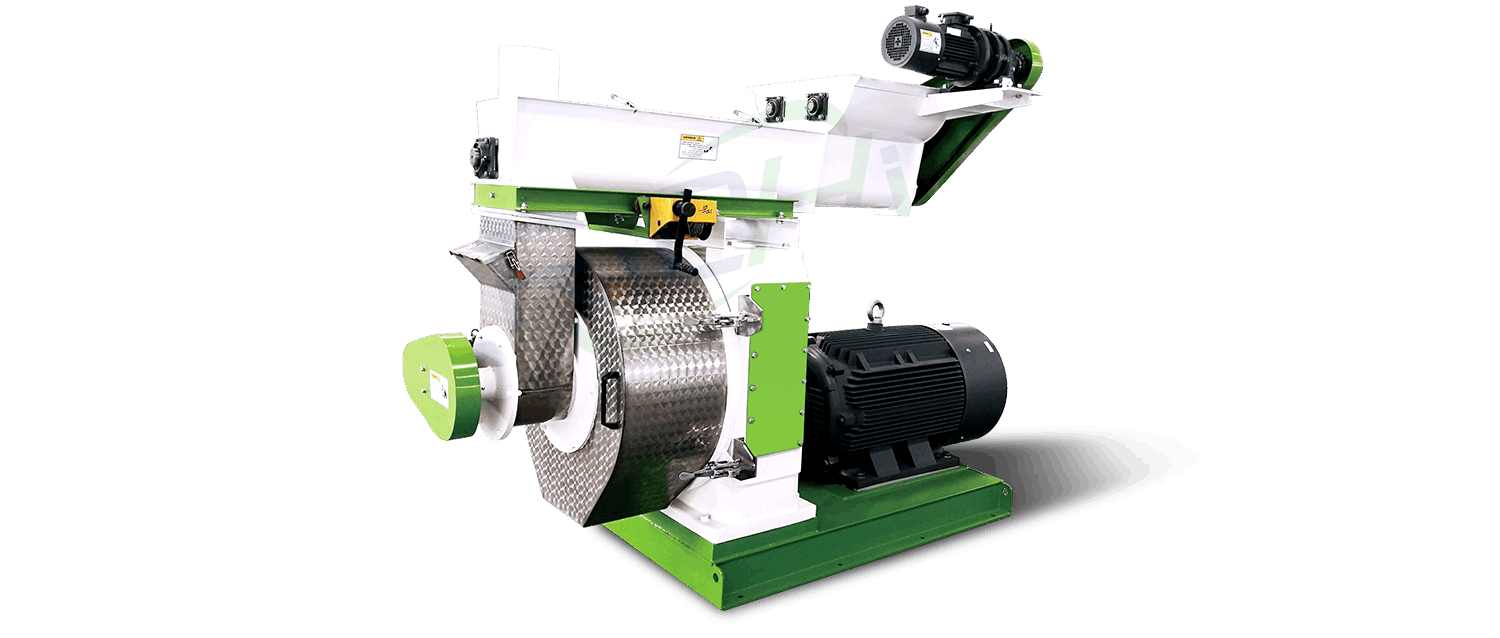
PELLET MACHINE SPECIFICATIONS AND DETAILED PARAMETERS
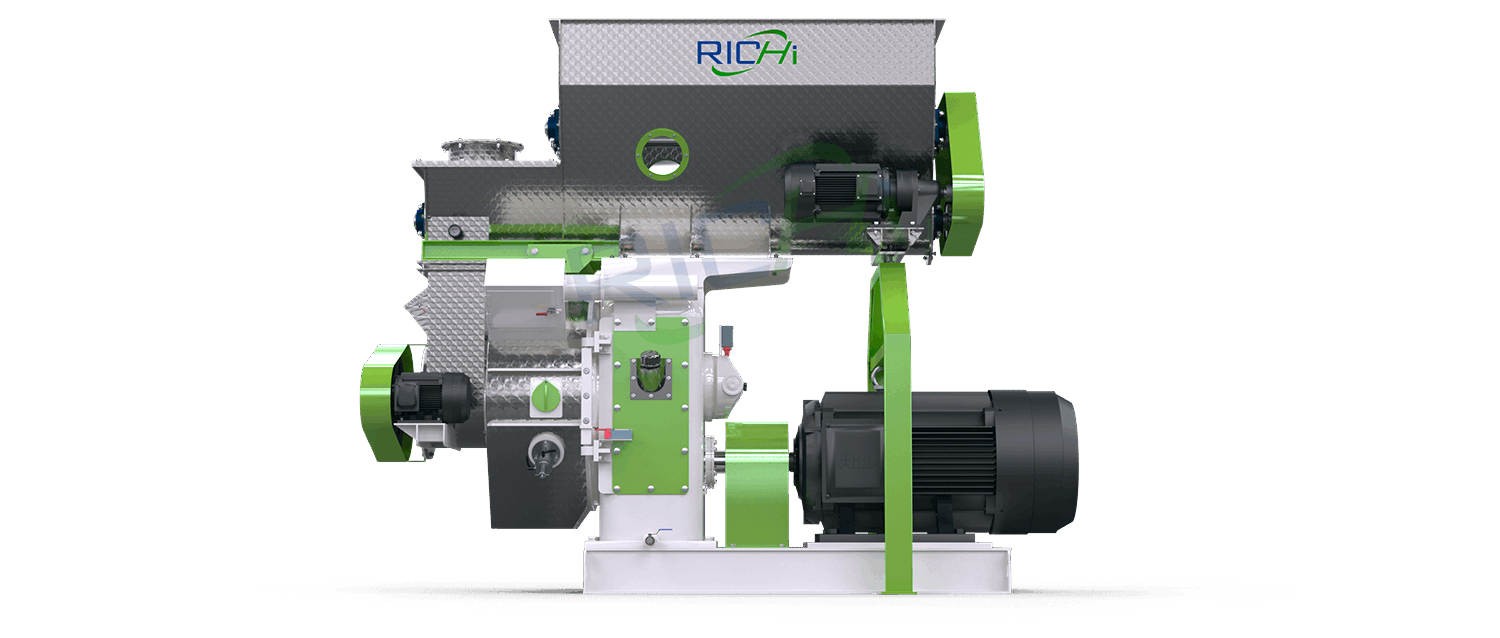
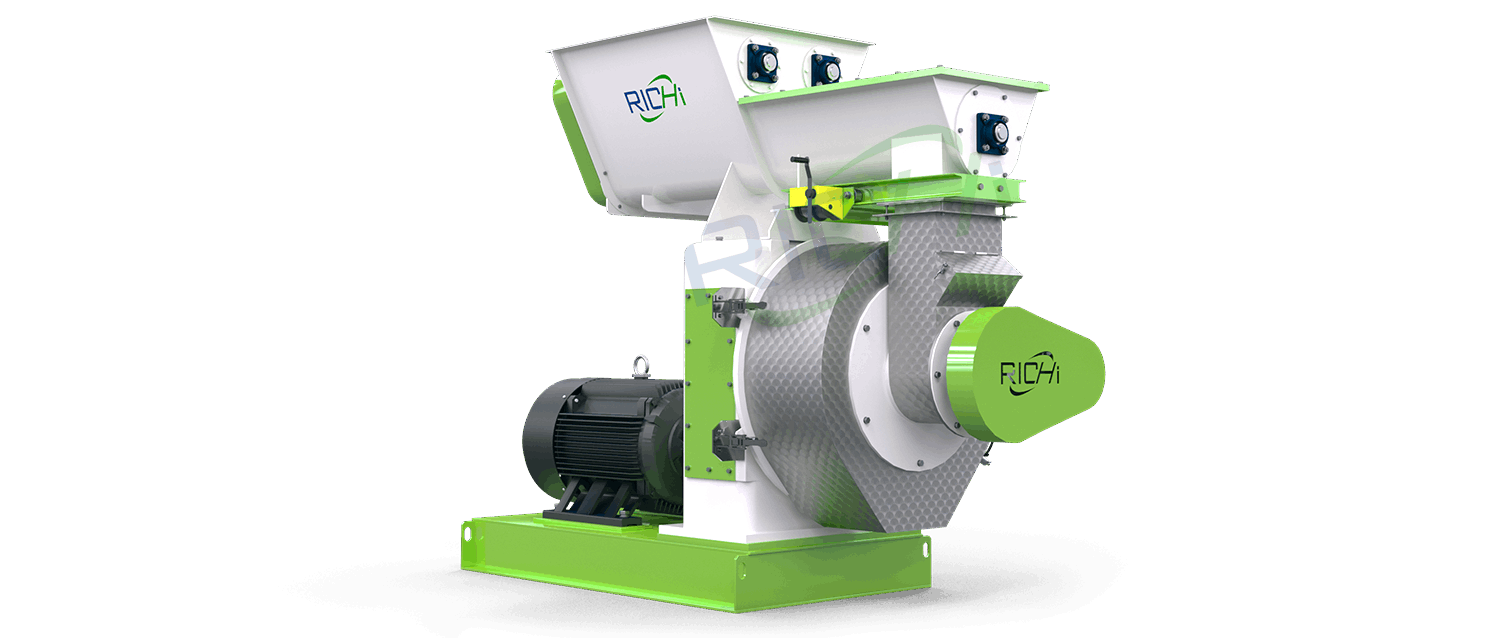
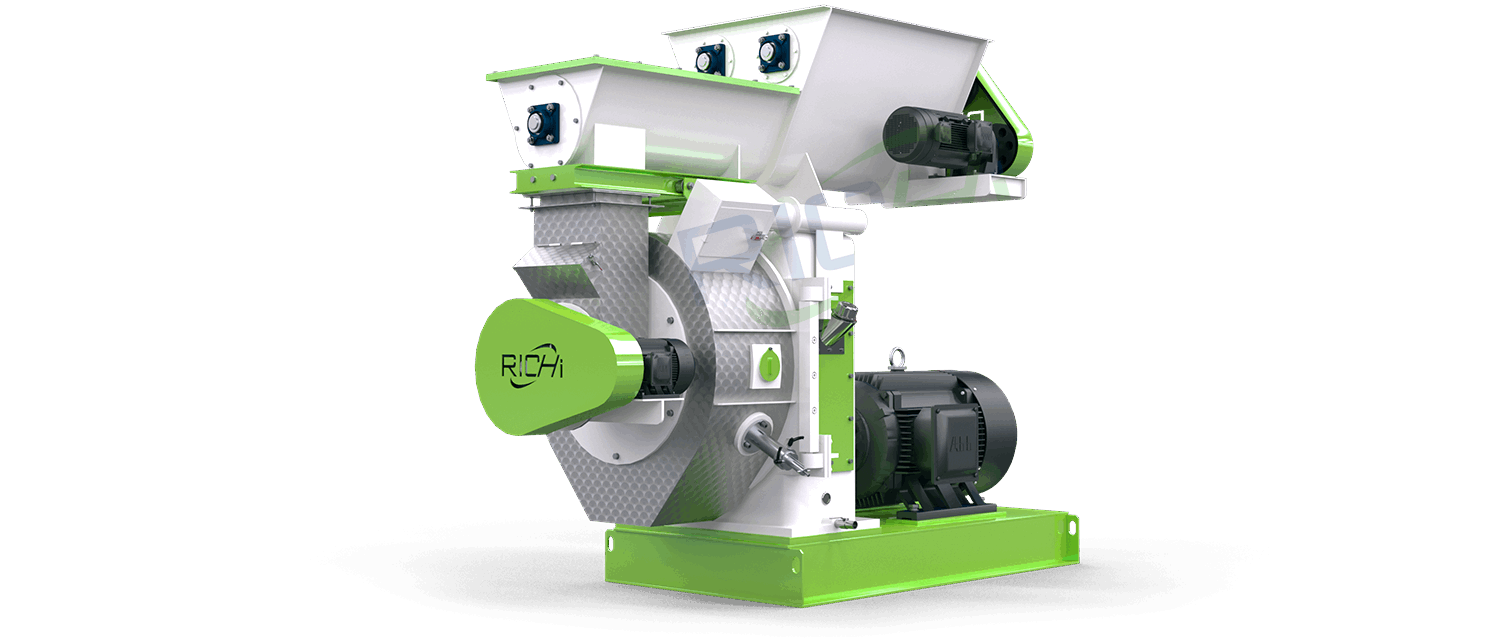
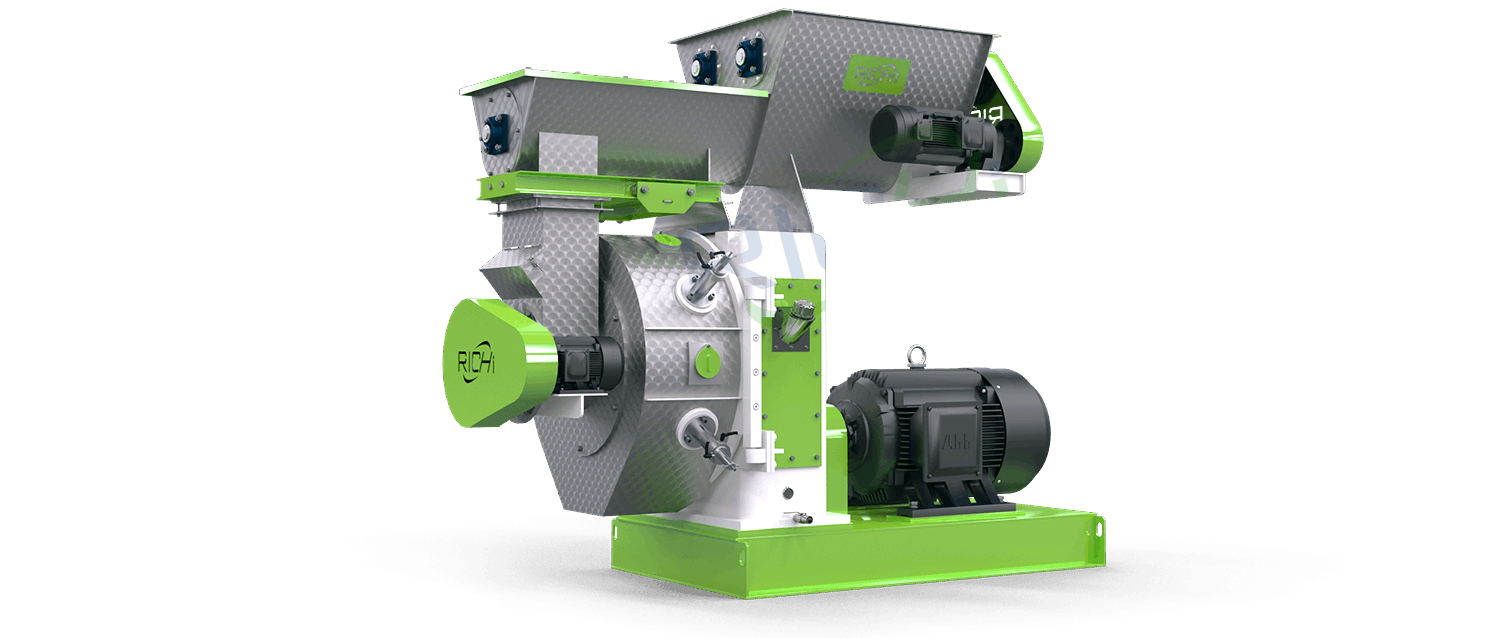
The pelletizing capacity varies with raw materials. Each biomass pellet mill comes in 6 to 7 models, with single-machine output ranging from 0.2 to 8T/H. The organic fertilizer pellet mill can reach up to 26T/H. Larger industries can customize multiple pellet mills to run simultaneously in the production line. Here, we will use the organic fertilizer pellet mill as an example to introduce the detailed specifications.
GLOBAL BIOMASS PELLET MACHINE PROJECT REFERENCES
Currently, our equipment has been exported to over 140 countries and regions worldwide, with nearly 2,000 pellet production lines successfully established, providing countless efficient and practical production line solutions. Below are references for different projects.
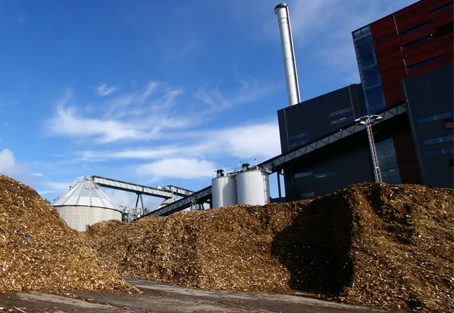

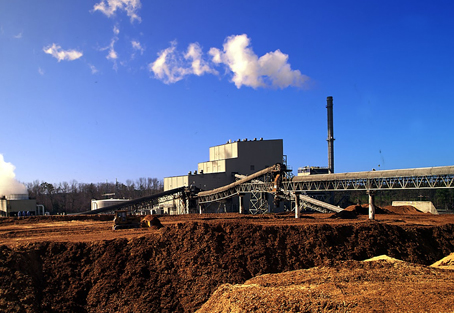
15T/H Wood Pellet Production Line in North America
A large-scale wood fuel pellet line in North America, using sawdust from furniture and paper mills, producing high-energy biomass fuel pellets for power plants and heating.

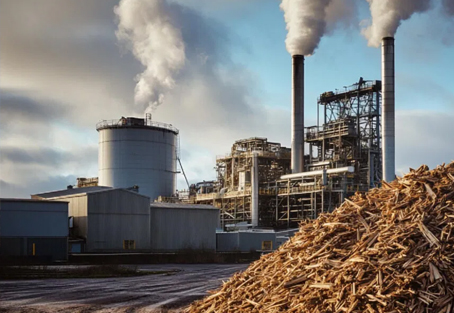
8T/H Biomass Pellet Production Line in Canada
A wood fuel pellet production line in Canada with a 60-day installation period, using logs and wood scraps as raw materials, producing pellets with sizes of 6-10 mm.

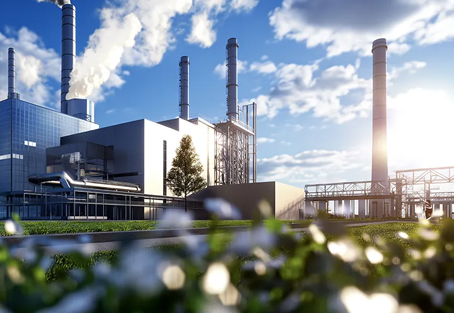
10T/H Straw Pellet Production Line in Germany
A project using various crop straws, with a production workshop area of 5,333 m² and a total power of 1,187 kW, producing efficient and stable pellets.

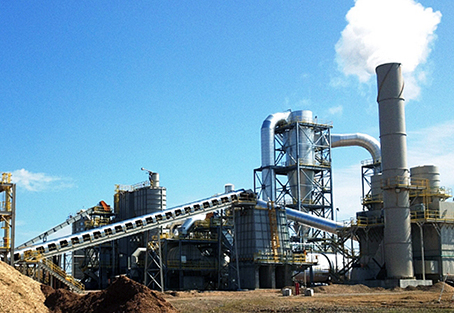
5T/H Grass Pellet Production Line in Brazil
A feed plant in Brazil for ruminants, pelletizing various grass materials, with an installation period of about 50 days and stable production performance.

4T/H Palm Kernel Shell Pellet Production Line in Serbia
A food processing plant in Serbia, using palm waste to make fuel pellets for industrial boilers, solving waste accumulation and generating new income.
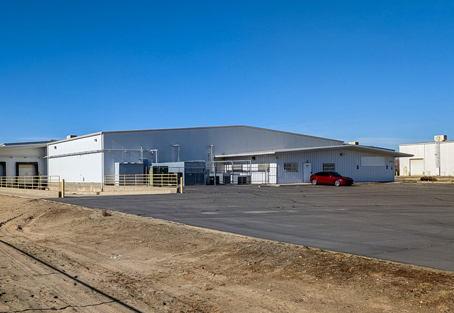

6T/H Animal Manure Pellet Production Line in Australia
A project in Australia using livestock manure to produce organic fertilizer pellets for local agricultural markets, solving manure accumulation and generating revenue.
We can handle pelletizing projects of any scale and material, offering customized production line solutions. Feel free to contact us with any questions, and our technical team will provide detailed answers.
PELLETIZING PROCESS FLOW OF THE PRODUCTION LINE
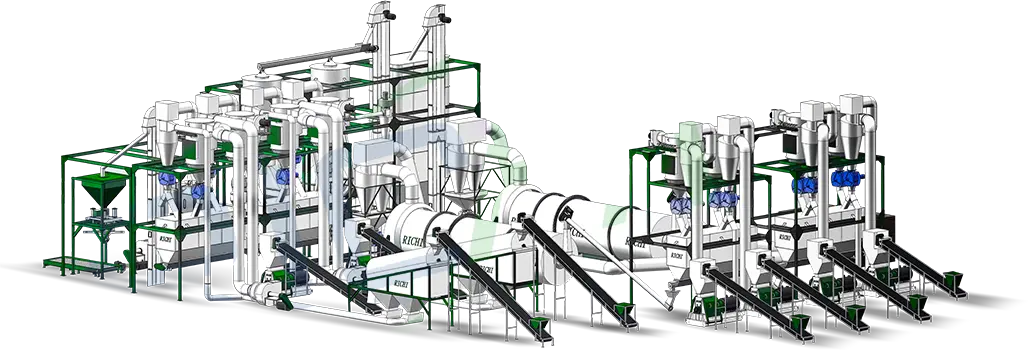
We offer standalone biomass pellet mills and customized production line solutions based on your specific production needs. Below is an overview of the key pelletizing stages typically included in a complete production line. Understanding these stages will help you build a more suitable biomass pellet production line.
Our production line equipment is fully designed by our in-house technical team and manufactured at our own factory. We provide full-service support, from pre-sales consultation to post-installation, ensuring a worry-free and hassle-free experience.

01
Cleaning
Remove impurities like nails and stones to prevent accidents and reduce maintenance costs.
02
Crushing
Crush raw materials into 3-5 mm pieces for easy drying and pelletizing.
03
Drying
Reduce moisture content to about 15% for optimal pellet quality.
04
Mixing
If needed, materials are mixed evenly in this step.
05
Pelletizing
Pre-treated materials enter the pelletizing chamber, where they are pressed into uniform pellets under the action of the ring die and roller.
06
Drying and Cooling
Lower the pellet temperature to enhance durability and hardness.
07
Screening and Packaging
Remove broken or unformed pellets, and package the finished pellets for storage and transportation.
08
Auxiliary Processes
Depending on the raw materials, some production lines may require dust removal, ventilation, or temporary storage stages.
COMPREHENSIVE PRODUCTION LINE EQUIPMENT DISPLAY
Different raw materials in a biomass pellet production line require specific pre-treatment to ensure pelletizing efficiency. Each process step involves specialized equipment, and smooth operation depends on their seamless coordination. Below are examples of equipment for each stage. Contact us for more details.
Crushing
Drum Chipper
Chips logs into thin slices, typically 2-3 cm in size.

Template Crusher
Used for crushing broader, thinner materials, like old door panels.

Wood Chip Crusher
Crushes small wood chips into sawdust, ranging from 3-5 mm.
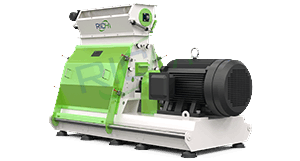
Bale Breaker
Breaks up compressed bales of straw.

Forage Crusher
Crushes forage into 3-5 mm grass powder.

Wood Shredder
Multi-functional grinder, capable of crushing various types of wood raw materials, ideal for small-scale crushing applications.

Drying
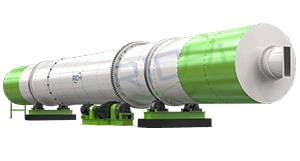
Tumble Dryer
Reduces the moisture content of wet materials to around 15%.
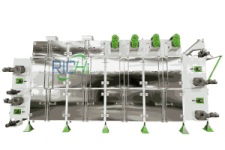
Belt Dryer
A belt dryer uses a conveyor belt and hot air to dry materials continuously.
Cooling
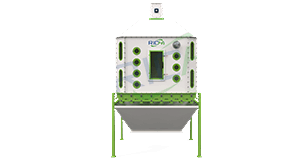
Counterflow Cooler
Cools the finished pellets to near room temperature.
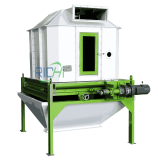
Pellet Cooler
Used to reduce the temperature of finished pellets.
Screening
Vibrating Screen
Removes powder and broken particles from the finished pellets.
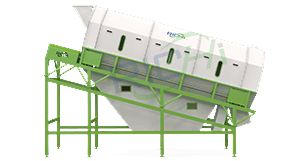
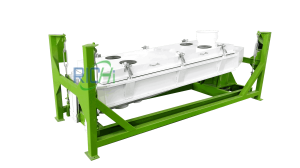
Rotary Grading Screen
Rotary Grading Screen is a cylindrical screening device that uses a rotating drum to separate and classify materials based on size.
Packing
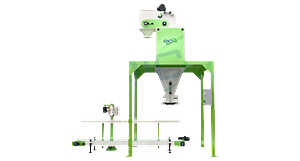
Finished Product Packing Scale
Weighs and packages the finished pellets into bags.
Conveying
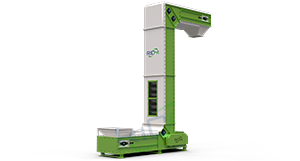
Bucket Elevator
Used for vertical lifting and transporting materials.
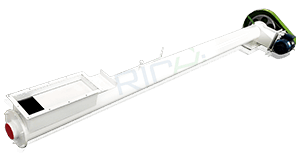
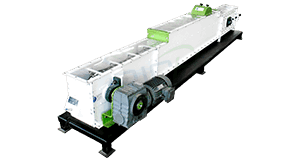
U-shaped Screw Conveyor
Designed for short-distance, horizontal or inclined transport of powdered materials.
Flanged Conveyor
Used for short-distance, high-angle transport of finished pellets.
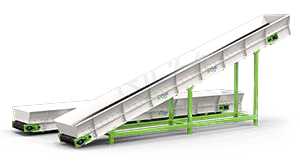
Belt Conveyor
Ideal for low-angle, high-capacity material transport.
Mixing
High-Efficiency Mixer
Uses a turning and tossing method to evenly blend materials by lifting and dropping them.
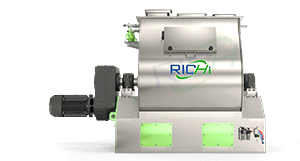
Ribbon Mixer
Employs a left-and-right kneading action for faster and more uniform mixing of materials.
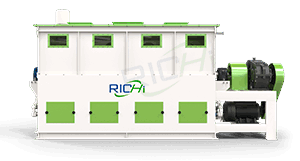
Single-Screw Ribbon Mixer
Single-Screw Ribbon Mixer is a type of horizontal mixing equipment used to blend dry powders, granules, and other materials efficiently.
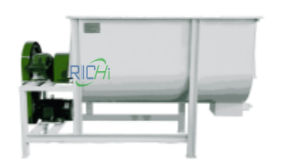
Horizontal Feed Mixer
The Horizontal Feed Mixer uses horizontal paddles or screw augers to ensure uniform mixing, ideal for large-scale feed production.
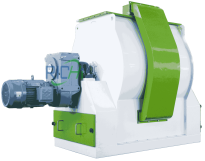
Feed Mixer Machine
Feed Mixer is a machine designed for mixing raw materials such as grains, additives, and other ingredients to produce animal feed.
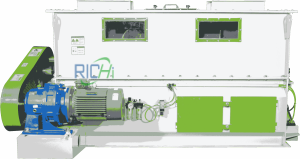
Silo
Biomass Raw Material Silo
Stores pretreated raw materials, ensuring a stable feed to the production line.

Finished Pellet Silo
Stores finished pellets, allowing smooth discharge for easy measurement and packaging.

Others
Dust Collection System
Environmental protection equipment for dust-generating processes such as crushing, mixing, and granulating, reducing workshop dust and protecting operators.
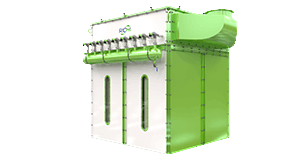
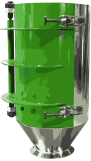
Permanent Magnet Drum
Permanent Magnet Drum is a type of magnetic separator that uses permanent magnets to remove ferrous materials from bulk solids, liquids, or powders.
FREQUENTLY ASKED QUESTIONS
We’ve compiled answers to some common questions. For more details, feel free to contact us or leave your contact information, and our technical team will get in touch with you.
What are the main uses of biomass pellets?
Biomass pellets have four main uses: first, as an alternative clean energy to replace coal, used in industrial boilers, home heating, and power generation; second, in agriculture as organic fertilizer pellets to improve soil quality; third, as animal feed, where certain grasses or straws are processed into feed pellets for ruminants; and fourth, for environmental protection, by recycling waste to reduce the environmental pollution caused by agricultural or industrial waste.
What is the working principle of a biomass pellet mill?
The biomass pellet mill works by compressing biomass raw materials into pellets through high temperature and pressure. After the raw materials enter the pellet mill, they are shaped, then cooled, sieved, and packaged to produce usable biomass pellets.
How do I choose the right biomass pellet mill?
When selecting a pellet mill, consider the raw material type, production capacity, equipment quality and brand, energy efficiency, environmental impact, and after-sales service. Different raw materials require different machines. For example, wood chips and straw need different equipment characteristics. Additionally, choose the right equipment based on production scale, prioritize reputable brands for longer lifespan and lower maintenance, and ensure energy-efficient and environmentally friendly options. After-sales service should include installation, training, and support.
How long does it take to install a biomass pellet production line?
Installation of a biomass pellet production line usually takes 30 to 60 days, depending on the equipment scale, installation environment, and team experience. After installation, commissioning and trial runs are conducted to ensure the production line operates smoothly.
What is the price of a biomass pellet mill?
The price of a standalone pellet mill ranges from $7,000 to $100,000, depending on the model. Our equipment uses the latest technology with durable, wear-resistant parts and built-in protective devices, significantly reducing failure rates and maintenance costs. All equipment is sold at factory prices, and the complete production line offers high cost-performance. If you are interested in pelletizing, please feel free to contact us for more details.