

Efficient Pelleting Solution
SAWDUST PELLET MILL
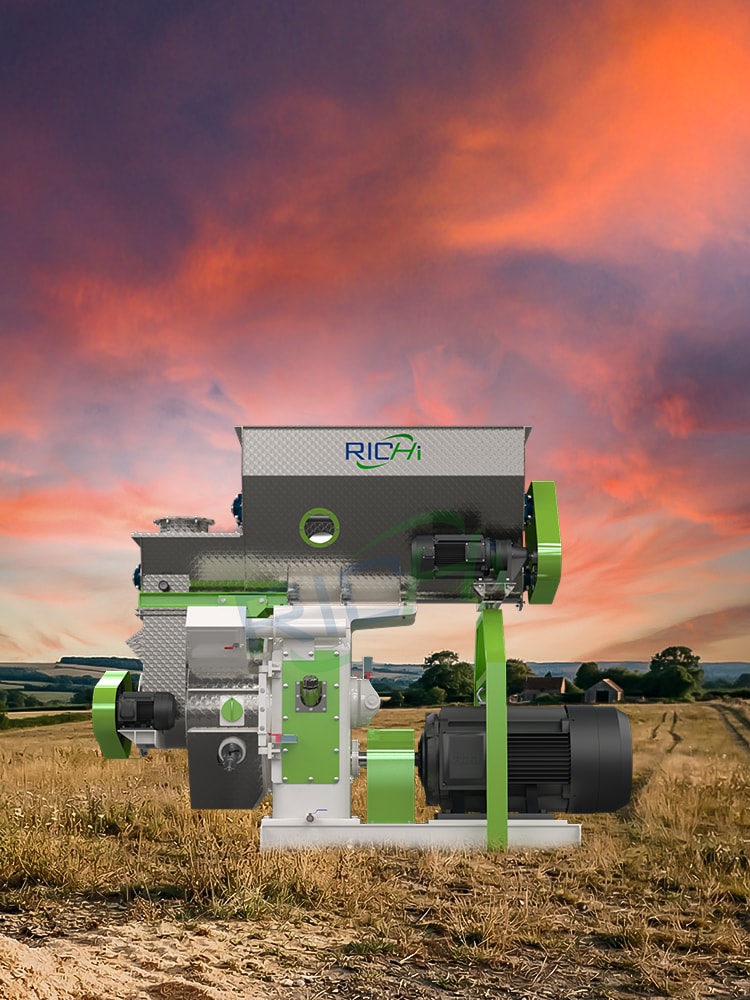
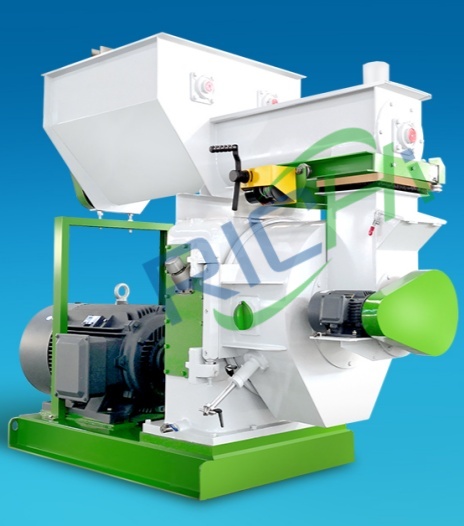
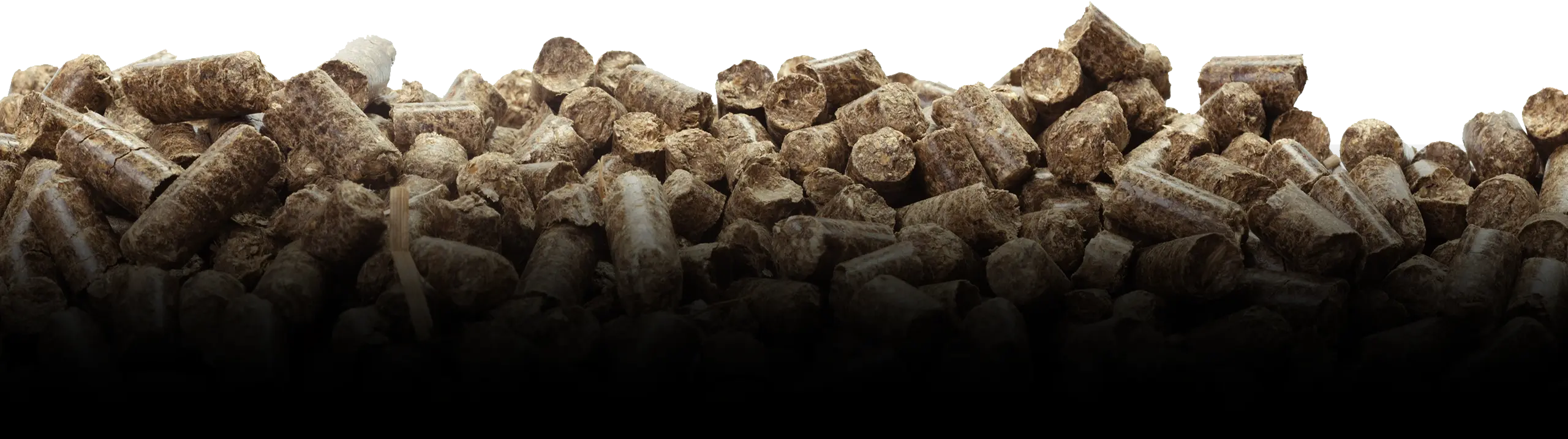
The sawdust pellet mill is equipment designed to compress wood waste materials such as sawdust, shavings, and wood chips into dense pellets. These compact pellets offer high-quality combustion performance, significantly improving their utilization efficiency. The sawdust pellet maker is primarily used in the production of biomass fuel pellets.
Capacity
0.2-4 T/H
Price
7000-100000$
SAWDUST PELLET MILL APPLICATIONS
The sawdust pellet mill efficiently converts all types of wood materials into high-quality pellets and is widely used across industries that process wood raw materials.
BIOMASS ENERGY
Sawdust pellets offer high calorific value, excellent combustion, and easy storage and transportation. They are widely used in power plants, residential heating, and commercial heating, providing an efficient and clean alternative to traditional coal. The sawdust pellet mill is ideal for producing pellets for these applications.
Where can it be applied?
WOOD PROCESSING
It can process wood waste generated during manufacturing, turning by-products into valuable resources.
ANIMAL CARE
It is suitable for producing animal bedding pellets, such as horse bedding, ensuring comfort and hygiene.
WOOD STRIPS
SAWDUST
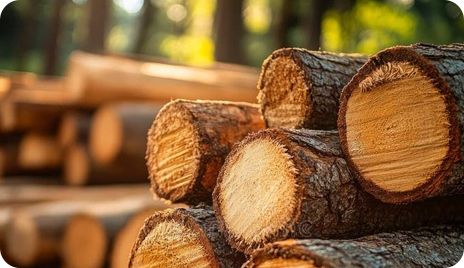
LOGS
OUR TECHNICAL ADVANTAGES
With over 30 years of experience in pellet machine development, we leverage advanced technology and premium materials to continuously optimize our machines according to raw material characteristics. This ensures higher efficiency, energy savings, and stable operation.
ANTI-BLOCK DESIGN
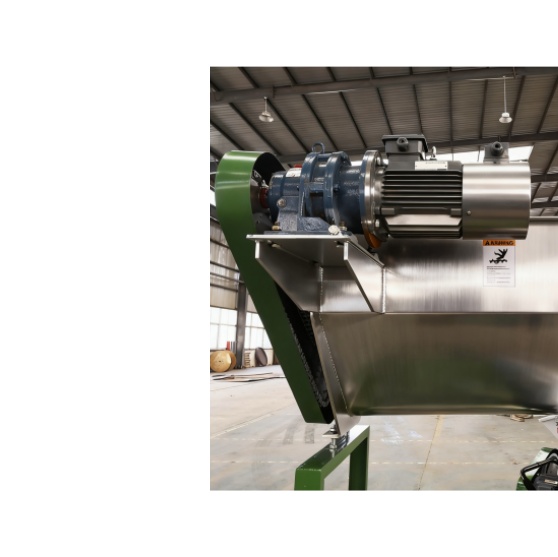
The top of the sawdust pellet mill features an anti-blocking hopper with two rollers that break up materials, preventing clumping and ensuring smooth feeding into the next stage.
FORCED FEEDING
Lightweight materials like sawdust and wood shavings can be difficult to feed efficiently into the pellet chamber. Our forced feeding system pushes materials downward, ensuring smooth entry into the pelleting process and maintaining high operational efficiency.
RING DIE STRUCTURE
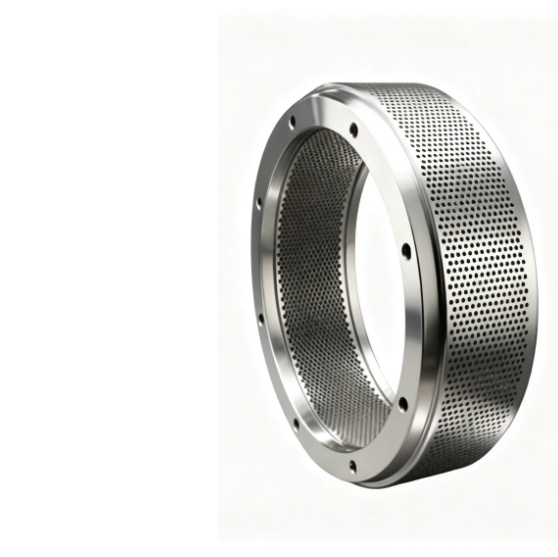
Our machines use a ring die design, which determines pellet size and impacts production efficiency. This structure delivers higher output, better pellet quality, and longer service life.
MAIN & AUXILIARY MOTORS
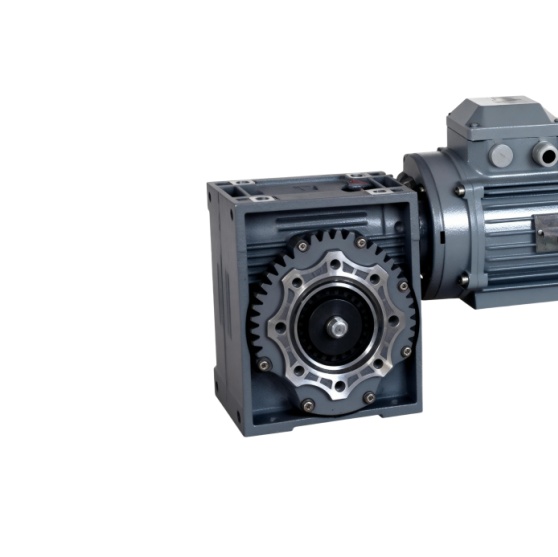
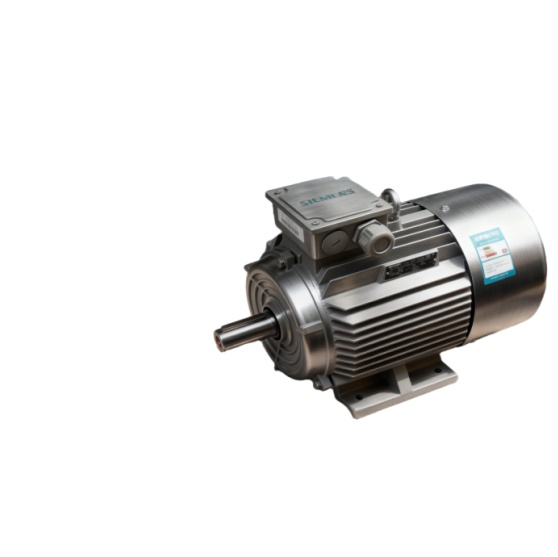
The multi-motor system ensures efficient and stable operation. The main motor drives the core pelleting process, while the auxiliary motor supports feeding and other operations, ensuring seamless coordination.
SAWDUST PELLET MACHINE VIDEO DEMONSTRATIONS
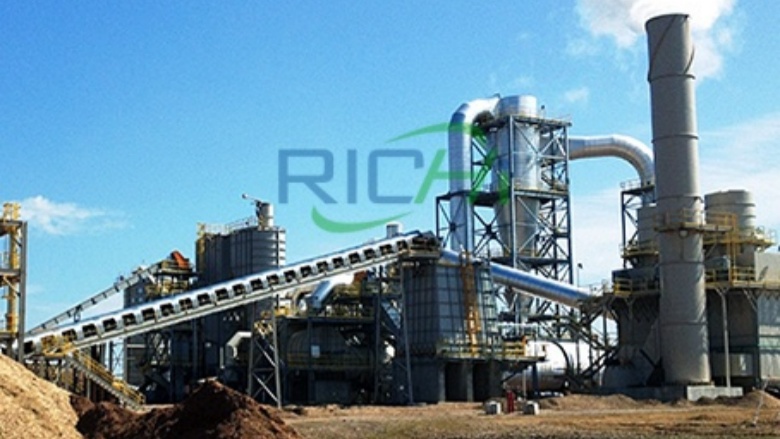
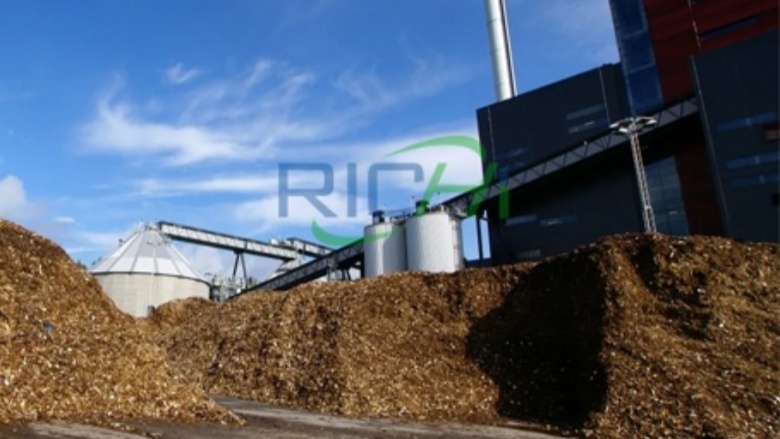
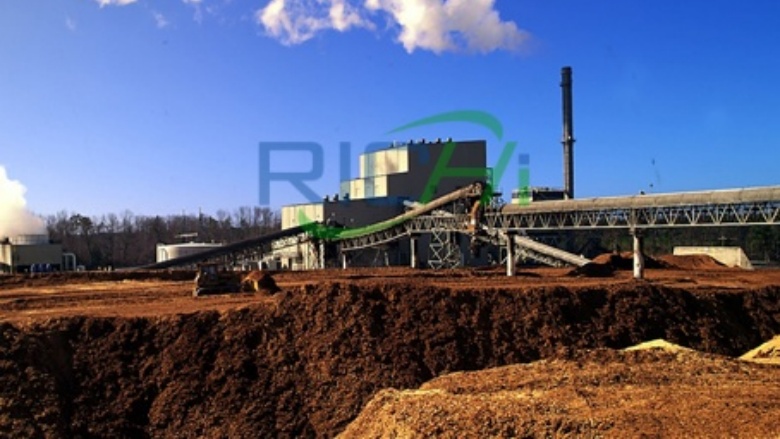
To give you a clearer understanding of our pellet mill we have prepared three videos showcasing the equipment from different perspectives, highlighting its structural features, operational performance, and real-world production results.
CLICK THE BUTTON

CLICK THE BUTTON
CLICK THE BUTTON
SAWDUST PELLET MILL SPECIFICATIONS
Our sawdust pellet making machine series includes six models, with production capacities ranging from 0.2 to 4 T/H. Detailed specifications for each model are provided below, allowing you to select the machine that best fits your production needs.
| MODEL | MZLH320 | MZLH350 | MZLH420 | MZLH520 | MZLH678 |
|---|---|---|---|---|---|
| Main Motor Power(kw) | 22 | 37 | 90 | 132 | 200 |
| Anti-Block Feeder Power(kw) | 2.2 | 2.2 | 3 | 3 | 3 |
| Forced Feeder Power(kw) | 0.75 | 0.75 | 1.5 | 1.5 | 1.5 |
| Ring Die Inner Diameter(mm) | 320 | 350 | 420 | 520 | 673 |
| Capacity(T/H) | 0.2-0.3 | 0.3-0.5 | 1.0-1.2 | 1.5-2.0 | 2.5-3.0 |
CORE COMPONENTS OF THE SAWDUST PELLET MILL
To ensure high efficiency, stable operation, and excellent production performance, we carefully design and select advanced core components. Each component plays a crucial role in the machine’s overall performance. Here are the key components:
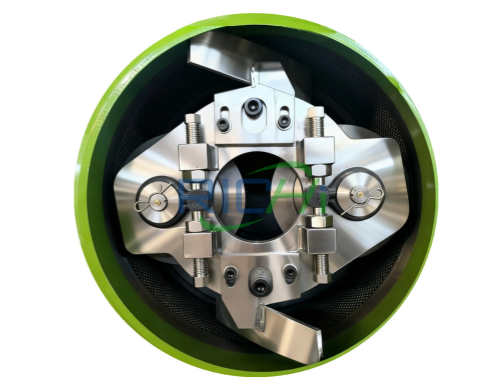
OVERLOAD PROTECTION
Equipped with an overload protection device, the machine instantly breaks the safety pin if large foreign objects enter during pelleting. This cuts power to protect the equipment from damage.
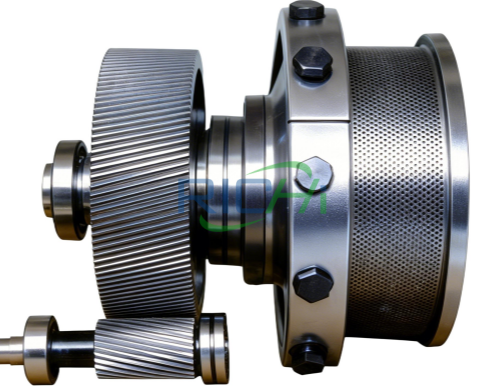
RING DIE AND ROLLER
The ring die and roller are the heart of the pellet machine, directly determining pellet quality and density. Made from high-wear-resistant 42CrMo steel, they are durable and capable of withstanding long periods of high-pressure operation.
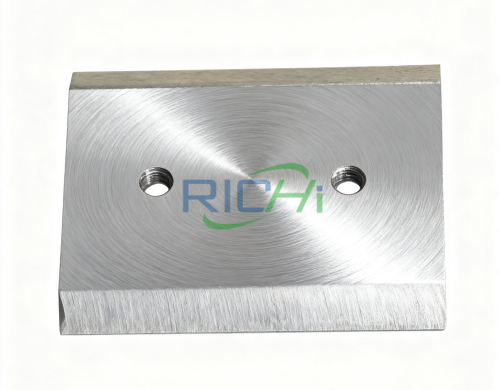
CUTTER
The cutter is a critical accessory that cuts the extruded pellets to uniform lengths during the pelleting process. Constructed from high-wear-resistant material, it remains sharp and effective over extended use, ensuring consistent cutting performance.
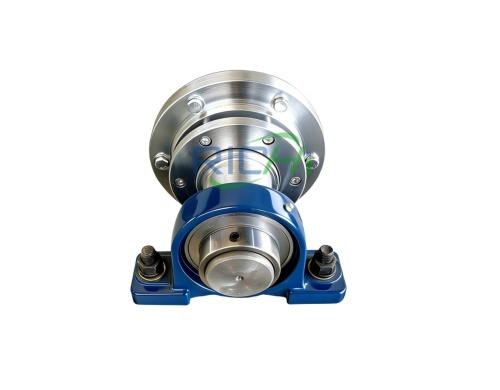
BEARINGS
Bearings support the main moving parts, reducing friction and ensuring smooth rotation. We use premium imported SKF bearings, offering excellent wear resistance, corrosion protection, and high load capacity.
COMPATIBLE RAW MATERIALS
Our sawdust pellet mill offers wide adaptability and performs exceptionally across various raw materials.

WOOD WASTE
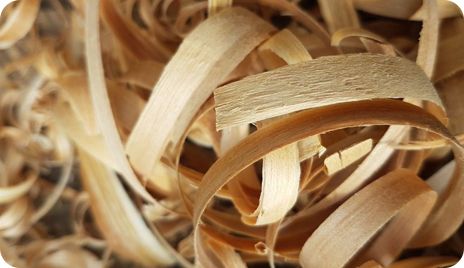
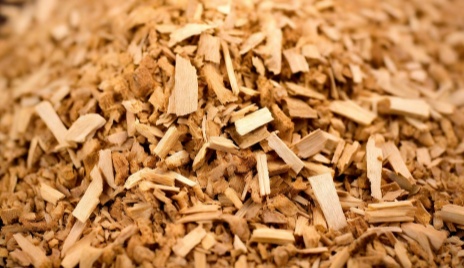
Includes sawdust, shavings, wood chips, wood blocks, branches, and more.
AGRICULTURAL RESIDUES
Includes straw, stalks, corn stalks, cotton stalks, and similar materials.
PLANT-BASED WASTE
Examples include bamboo chips, palm shells, coconut shells, etc.
INDUSTRIAL WASTE
Includes paper waste, wooden packaging materials, and other industrial by-products.
GLOBAL PROJECTS OF SAWDUST PELLET MILL
As a professional manufacturer of complete pellet production equipment, our projects span nearly 140 countries and regions, with nearly 2,000 pellet production lines established. We are trusted and supported by customers worldwide. Here are some representative projects.
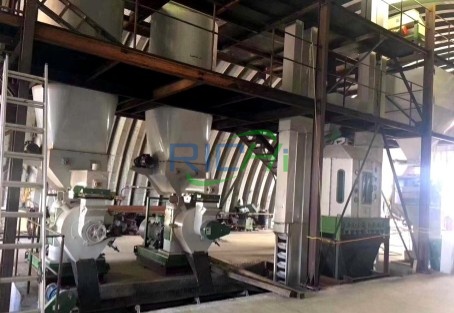

South Africa–10T/H Project
This project uses three MZLH768 sawdust pellet mills to process large waste wood with nails and impurities. We provided a fully customized production line to handle the materials efficiently and reliably.
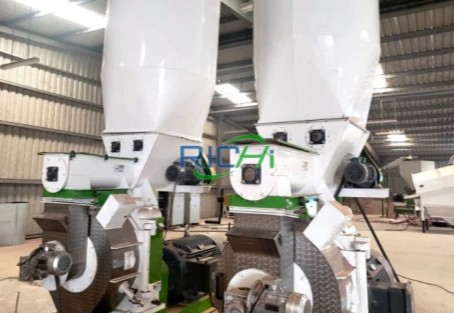

USA – 5 T/H Project
This project uses two MZLH678 sawdust pellet machines to process sawdust and wood chips. A full feeding, screening, and iron-removal system ensures stable operation and high-quality pellets.
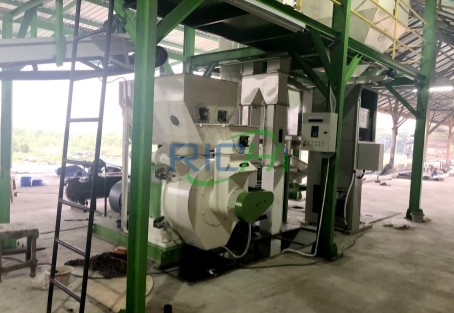

Brazil – 5 T/H Project
This project uses two MZLH678 sawdust pellet mills for wood chips and shavings with long fibers and some moisture. A drying and forced feeding system ensures optimal moisture for high pellet output and hardness.
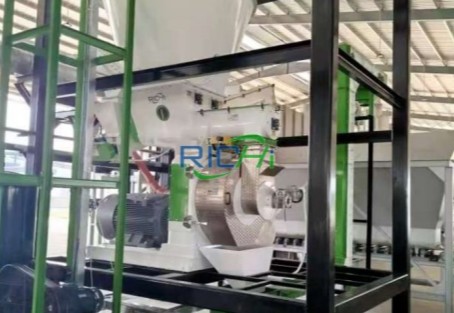

India – 3 T/H Project
This project uses one MZLH768 pellet mill for fine sawdust and waste wood powder. Screening and iron-removal systems ensure stable production and uniform, safe pellets.
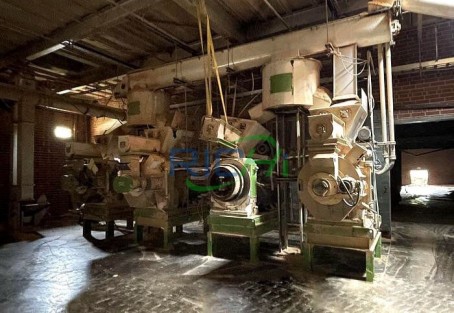

Canada – 12 T/H Project
This project uses three MZLH768 sawdust pellet mills for high-moisture, uneven wood chips and shavings. The customized line ensures uniform, hard pellets and higher efficiency.
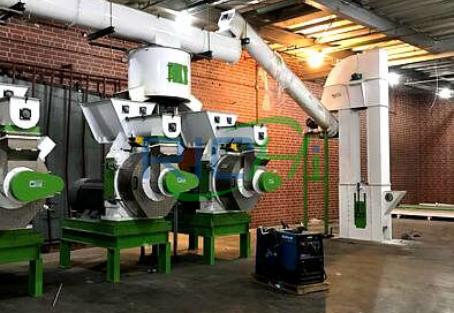

Poland – 8 T/H Project
This project uses two MZLH768 sawdust pellet machines for sawdust and wood chips from waste wood. The customized line efficiently handles impurities and large particles.
We designed a full production line to effectively solve material cleaning and crushing challenges.
These examples represent just a small portion of our nearly 2,000 production lines worldwide. For more information, please contact us—our professional technical team will be happy to assist you.
OTHER RELATED FUEL PELLTS MILLS
In addition to sawdust pellet making machines, we design and manufacture a range of specialized pellet machines for different materials. Whether it’s logs, wood chips, straw, grass, palm residues, or other plant waste and industrial by-products, we provide tailored pelleting solutions to meet the needs of various industries.
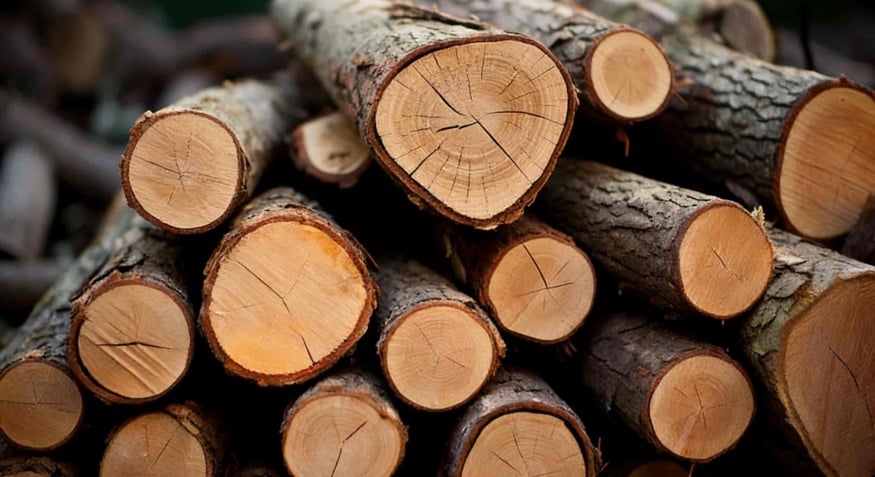

Wood Pellet MILL
A high-efficiency machine for processing wood-based materials. It can compress logs, wood blocks, chips, branches, sawdust, and waste wood furniture into pellets, widely used for biomass fuel production.

BAMBOO PELLET MACHINE
Designed for bamboo chips and powder, which have long fibers and high elasticity that are difficult to pellet with standard equipment. With specialized dies and high-strength rollers, it produces uniform, high-density pellets, ideal for bamboo waste processing.

STRAW PELLET MACHINE
Specifically for crop residues like corn stalks and straw, utilizing fiber properties to compress loose straw into dense pellets. Widely applied in agricultural biomass utilization, fuel pellet production, feed processing, and biomass fertilizer manufacturing.
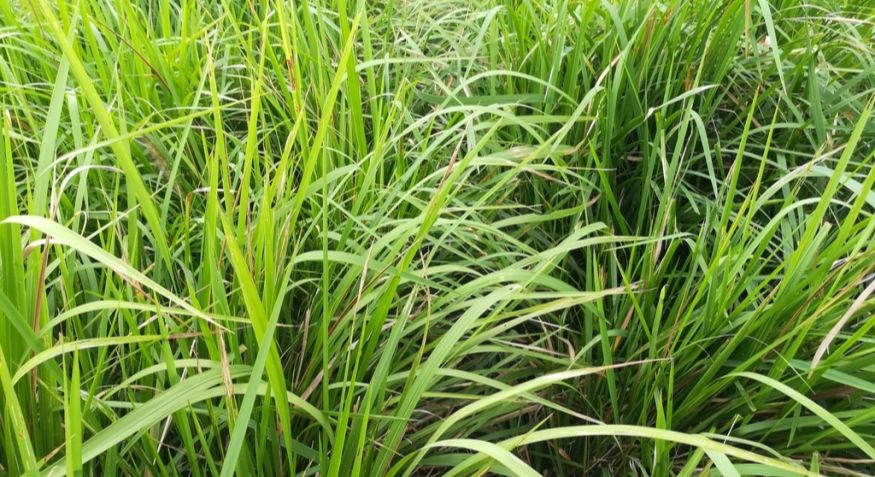
GRASS PELLET MAKING MACHINE
Processes grass, hay, alfalfa, and similar materials. Produces pellets with moderate hardness while preserving nutrients. Easy to operate and suitable for livestock feed production, even with high-moisture raw materials.

EFB PELLET MACHINE
Designed for empty fruit bunches (EFB) from palm oil production. Compresses loose, bulky waste into high-density pellets. Durable, wear-resistant, and ensures smooth feeding, suitable for biomass fuel pellet production.
SAWDUST PELLET PRODUCTION LINE
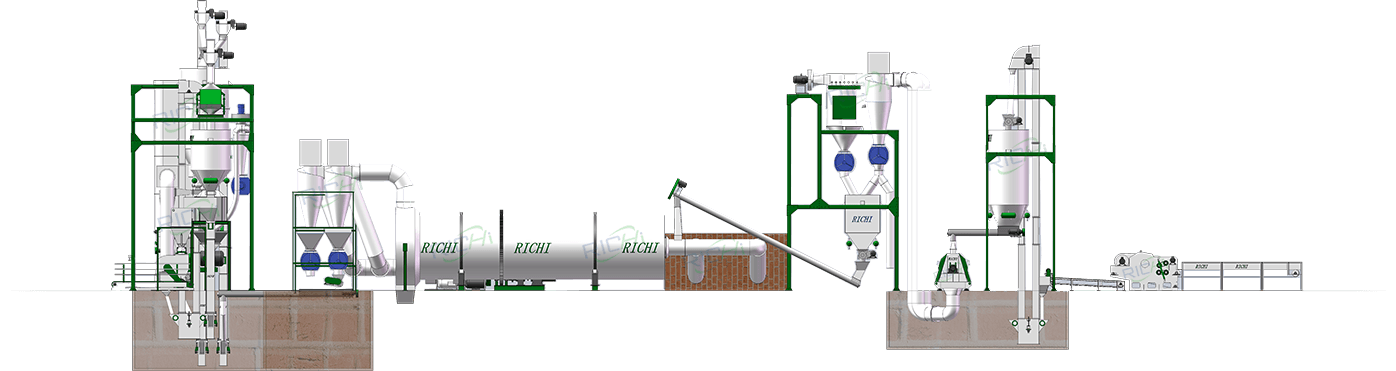
We offer a highly automated pellet production line that ensures efficient granulation and stable pellet quality while reducing labor requirements. The result is a cost-effective, reliable, and high-efficiency production line. Generally, a sawdust pellet production line includes the following steps:
01
Raw Material Cleaning
Remove impurities and hard objects to protect the equipment.
02
Raw Material Crushing
Crush large chunks to ensure uniform material size.
03
Raw Material Drying
Adjust moisture to 13–18% to ensure smooth pelletizing.
04
Material Mixing
Mix additives evenly with sawdust for consistent pellet quality.
05
Pelletizing
Feed the pretreated material into the pelletizer, where it is formed into dense, uniform pellets by the ring die and rollers.
06
Drying and Cooling
Cool the hot pellets to improve hardness and durability.
07
Screening and Packaging
Remove broken or unformed pellets and package the final product for storage and transport.
08
Auxiliary Systems
A complete line also includes conveying, storage, and dust removal systems for smooth and environmentally friendly operation.
Production Line Equipment powerhouse
Sawdust pellet production requires not only the core pelletizing equipment but also a range of auxiliary machines to complete the process. We provide a complete set of production line equipment. In addition to offering individual machines for sale, we also design and configure production lines tailored to the specific characteristics of raw materials, production scale, and factory conditions. Below are the related equipment we offer.
Crushing
Drum Chipper
Chips logs into thin slices, typically 2-3 cm in size.

Template Crusher
Used for crushing broader, thinner materials, like old door panels.

Wood Chip Crusher
Crushes small wood chips into sawdust, ranging from 3-5 mm.
Bale Breaker
Breaks up compressed bales of straw.

Forage Crusher
Crushes forage into 3-5 mm grass powder.

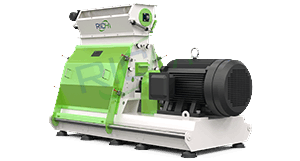
Wood Shredder
Multi-functional grinder, capable of crushing various types of wood raw materials, ideal for small-scale crushing applications.

Drying
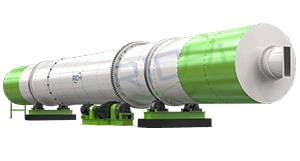
Tumble Dryer
Reduces the moisture content of wet materials to around 15%.
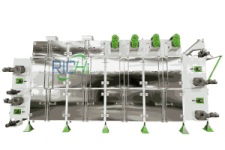
Belt Dryer
A belt dryer uses a conveyor belt and hot air to dry materials continuously.
Cooling
Counterflow Cooler
Cools the finished pellets to near room temperature.
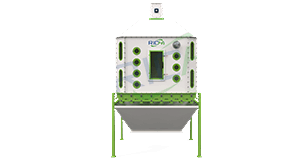
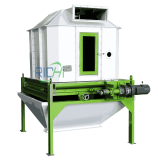
Pellet Cooler
Used to reduce the temperature of finished pellets.
Screening
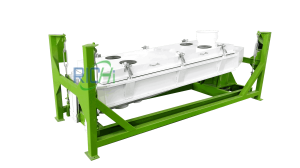
Vibrating Screen
Removes powder and broken particles from the finished pellets.
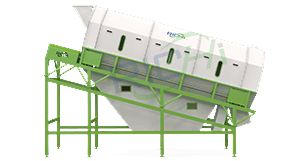
Rotary Grading Screen
Rotary Grading Screen is a cylindrical screening device that uses a rotating drum to separate and classify materials based on size.
Packing
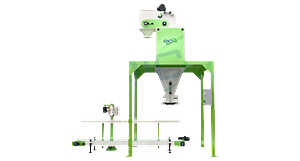
Finished Product Packing Scale
Weighs and packages the finished pellets into bags.
Conveying
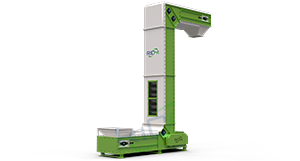
Bucket Elevator
Used for vertical lifting and transporting materials.
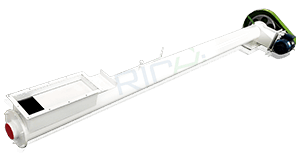
U-shaped Screw Conveyor
Designed for short-distance, horizontal or inclined transport of powdered materials.
Flanged Conveyor
Used for short-distance, high-angle transport of finished pellets.
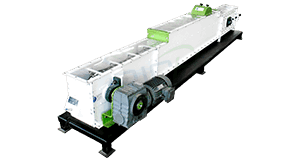
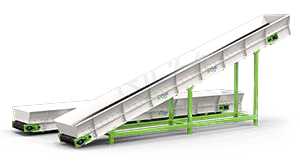
Belt Conveyor
Ideal for low-angle, high-capacity material transport.
Mixing
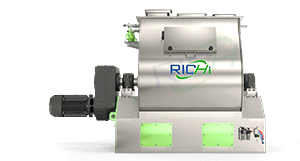
High-Efficiency Mixer
Uses a turning and tossing method to evenly blend materials by lifting and dropping them.
Ribbon Mixer
Employs a left-and-right kneading action for faster and more uniform mixing of materials.
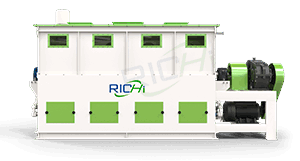
Single-Screw Ribbon Mixer
Single-Screw Ribbon Mixer is a type of horizontal mixing equipment used to blend dry powders, granules, and other materials efficiently.
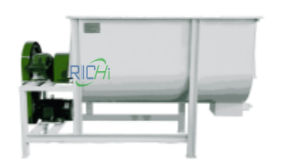
Horizontal Feed Mixer
The Horizontal Feed Mixer uses horizontal paddles or screw augers to ensure uniform mixing, ideal for large-scale feed production.
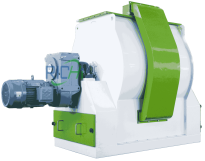
Feed Mixer Machine
Feed Mixer is a machine designed for mixing raw materials such as grains, additives, and other ingredients to produce animal feed.
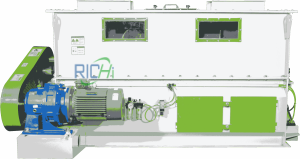
Silo
Biomass Raw Material Silo
Stores pretreated raw materials, ensuring a stable feed to the production line.

Finished Pellet Silo
Stores finished pellets, allowing smooth discharge for easy measurement and packaging.

Others
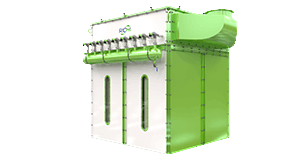
Dust Collection System
Environmental protection equipment for dust-generating processes such as crushing, mixing, and granulating, reducing workshop dust and protecting operators.
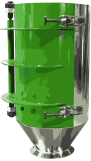
Permanent Magnet Drum
Permanent Magnet Drum is a type of magnetic separator that uses permanent magnets to remove ferrous materials from bulk solids, liquids, or powders.
FREQUENTLY ASKED QUESTIONS
If you have any questions, feel free to contact us or leave your information. Our professional technical team will be happy to assist you.
What raw materials can the sawdust pellet mill process?
The sawdust pellet machine mainly processes wood-based materials such as sawdust, wood chips, shavings, and waste wood powder. It can also handle plant-based residues like bamboo chips and palm shells. Some machines are suitable for fibrous materials like crop straw and grass. Fiber length, density, and moisture content affect pellet formation, so pre-treatment such as crushing or drying is recommended to ensure stable production and high-quality pellets.
Can the machine handle waste wood with impurities?
Yes, but proper pre-treatment is essential. Materials containing nails, sand, or plastic can accelerate die wear or cause equipment failure. We recommend using crushing, screening, and iron-removal systems. Properly processed materials can be safely and efficiently pelletized, extending equipment life and ensuring pellet quality.
Can the pellet diameter be adjusted?
Yes. By changing dies of different sizes, the pellet diameter can generally be adjusted between 4–12 mm. Diameter selection depends on usage; fuel pellets are often smaller for better combustion. Some machines also allow fine-tuning of pellet density and hardness by adjusting roller gaps.
Is maintenance difficult?
Maintenance is relatively simple, but regular care is important. Key tasks include checking die and roller wear, lubricating bearings, cleaning residual materials and dust, and inspecting motors and belts. Regular maintenance keeps the machine stable, extends service life, and ensures consistent pellet quality. High-quality machines are easier to maintain with longer service intervals.
Can the pellets be used directly for fuel?
Yes. The processed pellets have high combustion efficiency, low ash content, and stable calorific value. They can be used directly in boilers, heating stoves, or biomass power equipment.